

Secured and Unsecured Credit Cards Compared: Which Type Fits Your Credit?
Secured cards need a cash deposit up front. Unsecured cards don’t. That one difference decides who gets approved, how big your limit is, and how soon you can move to a card with real rewards. Secured...

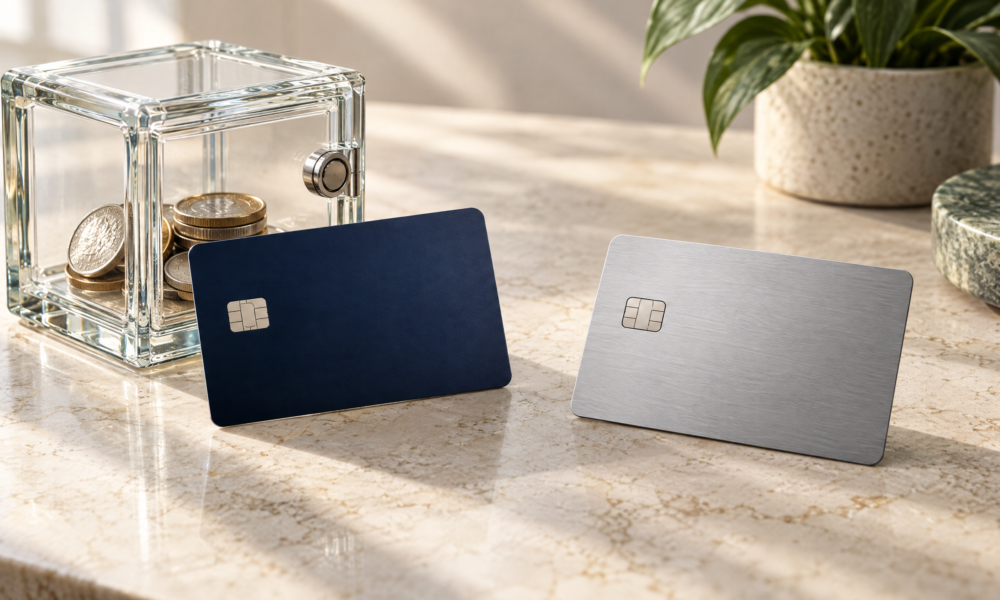
Secured cards need a cash deposit up front. Unsecured cards don’t. That one difference decides who gets approved, how big your limit is, and how soon you can move to a card with real rewards.
Table Of Content
- What Is the Real Difference Between Secured and Unsecured Cards?
- Quick Comparison
- What Does Each Card Actually Cost You?
- Secured Cards: The Deposit and the Fine Print
- Unsecured Cards: APRs, Fees, and Limits
- Pros, Cons, and the Deposit Myth
- Secured Cards
- Pros
- Cons
- Unsecured Cards
- Pros
- Cons
- What the Deposit Does Not Do
- Which Card Should You Apply For?
- How Do You Move From a Secured Card to an Unsecured One?
- Quick Answers Before You Apply
- What’s the best card if I have no credit history?
- How do I get my deposit back?
- Should I get a secured card if I was denied for an unsecured one?
- Why does my secured card limit equal my deposit?
- When should I switch to an unsecured card?
Secured vs. unsecured credit cards refers to two ways issuers extend credit: a secured card requires a refundable cash deposit that sets your limit, while an unsecured card relies on your credit history alone. Both usually report to the credit bureaus, so on-time payments help your score either way.
This works best if your credit file is thin, damaged, or brand new. It won’t help if you already hold a 700-plus score, since you can skip straight to rewards cards. The guide covers consumer cards for US applicants and does NOT address business cards, store cards, or credit-builder loans. It’s general education, not financial advice, so confirm current rates and fees with the issuer before you apply.
What Is the Real Difference Between Secured and Unsecured Cards?
The difference between secured and unsecured credit cards is collateral. A secured card holds your cash deposit as protection for the lender, and that deposit usually becomes your credit limit. An unsecured card has no deposit, so approval depends on your credit score, income, and existing debt.
Why does the gap matter? The Consumer Financial Protection Bureau’s 2015 credit invisibles research found that about 26 million Americans had no credit record, with roughly 19 million more holding files too thin or stale to score. Lenders can’t price invisible risk. A deposit hands them a reason to say yes.
Secured credit cards help your score only when the issuer reports your payments to the credit bureaus. According to the CFPB, you should confirm that a card reports to all three nationwide bureaus before applying. Once it does, on-time payments and low balances build your history the same way they would on an unsecured card.
Quick Comparison
| Option | Best For | Key Benefit | Limitation |
|---|---|---|---|
| Secured card | Thin, damaged, or no credit | Easiest approval; refundable deposit builds history | Cash tied up; limit often tracks the deposit |
| Unsecured starter card | Fair credit with steady income | No deposit; possible limit increases over time | Higher APRs, lower limits, possible annual fees |
| Unsecured rewards card | Good to excellent credit | Cash back or travel rewards, higher limits | Hard to get approved without an established file |
Secured vs. unsecured: a secured card is better suited for people with thin or damaged credit because the deposit lowers the lender’s risk. An unsecured card works better when your score is fair or higher, since you keep your cash. The key difference is that a secured card is backed by your money, while an unsecured card is backed by your record.
Same bureaus. Same scoring. Different door in.
What Does Each Card Actually Cost You?
Secured Cards: The Deposit and the Fine Print
The deposit is the headline cost, and it’s refundable. Most secured cards ask for $200 to $500, and the amount typically sets your limit. You get it back when you close the account in good standing or when the issuer converts you to an unsecured card. That’s real money, especially on a tight budget.
Secured credit cards cost a refundable deposit, not a fee, at least on the best-known options. According to Discover, the Discover it Secured needs a minimum $200 deposit and has no annual fee. Capital One’s Platinum Secured can start lower, from $49 to $200 depending on creditworthiness. Interest is the real cost if you carry a balance.
Unsecured Cards: APRs, Fees, and Limits
No deposit sounds better. The trade-off shows up in the price tag. Starter unsecured cards for fair credit often carry high APRs, sometimes annual fees, and limits as low as a few hundred dollars. The Federal Reserve’s G.19 consumer credit data has put average rates on accounts that pay interest above 20% in recent years, and starter cards tend to sit higher.
Here’s the thing: the cost that hurts most isn’t the deposit. It’s interest on a balance you can’t clear. Pay in full each month and either card type costs you close to nothing.
Pros, Cons, and the Deposit Myth
Secured Cards
Pros
- Approval is realistic even after denials or with no history
- No-annual-fee options exist
- The deposit comes back, and good accounts can graduate
Cons
- Upfront cash is locked away
- Starting limits are low
- Some issuers don’t report to all three bureaus
Unsecured Cards
Pros
- No cash tied up
- Higher limits and richer rewards at the top end
- No graduation step needed
Cons
- Approval is tougher with a thin file
- Starter versions charge steep APRs and sometimes fees
- Each denied application can still cost you a hard inquiry
What the Deposit Does Not Do
What most guides skip is simple: your deposit is not a payment. It sits in the issuer’s account as collateral while your statement balance keeps growing. Miss a due date and you’ll still get a late fee, a late mark on your reports, and possibly a deduction from the deposit.
A deposit isn’t a payment.
Most people assume a bigger deposit builds credit faster. The data says otherwise. According to FICO, payment history makes up about 35% of a FICO Score and amounts owed about 30%, and neither one measures how much cash you put down.
I’ve seen conflicting data, some sources say secured cards lift scores faster because new accounts get extra attention, others say there’s no gap once the account is reporting. My read is that card type doesn’t matter to the model; your behavior does. If you’ve paid on time, you’ve kept usage low, and you’re still not seeing movement, check that the issuer’s actually reporting.
Which Card Should You Apply For?
Match the card to your file, not your ego.
- No history, or recently denied: Open a secured card. The Discover it Secured pairs a $200 minimum deposit with cash back and a scheduled review for moving to unsecured. The Capital One Platinum Secured can start with a smaller deposit but skips rewards.
- Fair credit (roughly 580–669) with steady income: Use issuer pre-approval tools, which use soft pulls, and try an unsecured starter card before locking up cash.
- Good credit (670 and up): Aim at something like the Chase Freedom Unlimited. It’s a separate application, not an automatic upgrade from another issuer’s secured card.
Look, if you’ve been denied twice this year, here’s what actually works: stop applying for unsecured cards and open one no-annual-fee secured card. Users who’ve fired off several applications after a denial often report more hard inquiries and still no approval.
Some experts argue you should skip secured cards entirely and go for an unsecured starter card so no cash is locked up. That’s valid if you have steady income, a score near 600, and no recent denials. But if you’ve already been turned down, a secured card is the lower-risk move.
My opinion, and some readers will disagree: skip any “bad credit” unsecured card that charges an annual fee plus monthly fees. A no-fee secured card beats it almost every time, because the deposit comes back and the fees don’t. Or maybe I should say it this way: the deposit isn’t a cost, it’s a zero-interest loan you make to the bank.
How Do You Move From a Secured Card to an Unsecured One?
Graduation is the part competitors skip. Issuers set their own timelines, so check yours. Discover, for example, says it begins reviewing secured accounts for transition to an unsecured card at about seven months. Approval isn’t guaranteed.
To move from a secured to an unsecured card, follow these steps:
- Pay every bill on time for six to twelve months.
- Keep your balance under 30% of the limit.
- Check your score for a steady rise.
- Ask your issuer about a product change.
- Apply for a new unsecured card if they decline.
Ask for a product change before you open something new. A conversion keeps your account age intact and returns your deposit, while a fresh application adds an inquiry and starts a new account at zero.
Quick Answers Before You Apply
What’s the best card if I have no credit history?
A secured card with no annual fee that reports to all three bureaus is the safest start. Students with income can also try a student or starter unsecured card first.
How do I get my deposit back?
It returns when you close the account in good standing or when the issuer converts it to an unsecured card. Pay off the balance first, or the issuer can keep part of the deposit.
Should I get a secured card if I was denied for an unsecured one?
Often yes. A denial signals the issuer sees too much risk without collateral, and a deposit shifts that risk. Compare no-fee options first, and don’t apply to several at once.
Why does my secured card limit equal my deposit?
The deposit is the lender’s safety net, so the limit mirrors it. Some issuers raise limits later, but most start at or near what you put down.
When should I switch to an unsecured card?
Once you’ve paid on time for six to twelve months and your score has climbed into the fair-to-good range, or when your issuer offers a free conversion.





No Comment! Be the first one.